
"Zone 5 hardy" gets printed on a lot of plant tags. Not all of them have earned it.
Here's what a hardiness zone actually tells you. It's the average annual extreme minimum temperature for a given spot, tracked over enough years to make a reasonable map. That's the whole job description. It doesn't know whether that low hits for one bad night or camps out for three straight weeks. It doesn't know your soil, your wind, your particular corner of the yard. A tag that says zone 5 is really saying this plant has been documented surviving a low in that range, under conditions nobody wrote down.
Nurseries aren't lying to you exactly. Cold hardiness ratings on tags are often built from communal knowledge and grower experience more than hard science, and there's real pressure on both ends. Rate a plant too conservatively and it doesn't sell. Rate it too generously and customers lose plants and blame the nursery. The number that lands on the tag is a compromise, not a guarantee.
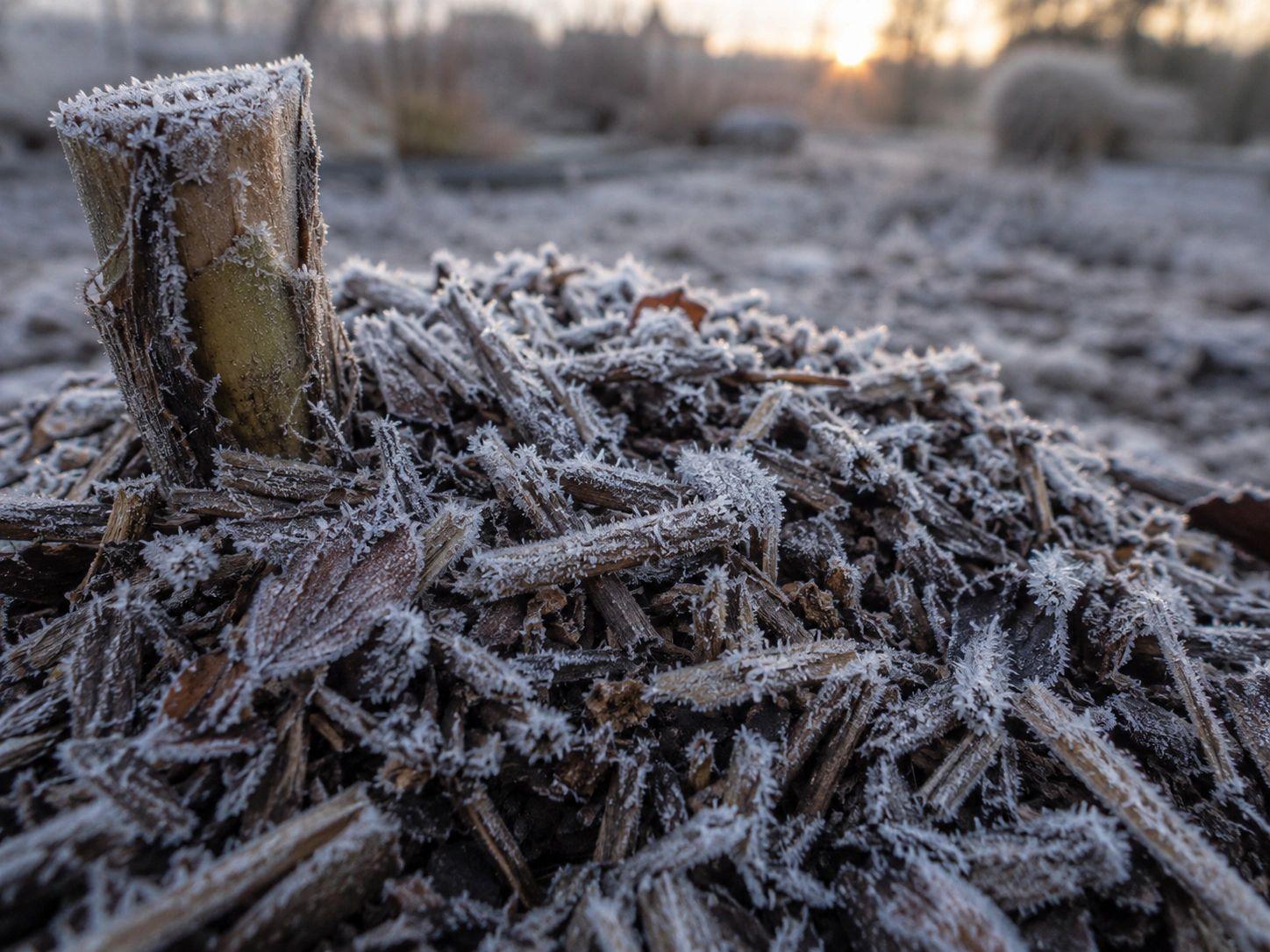
I have proof of this sitting in my own compost pile, so to speak. Musa basjoo, the Japanese banana, gets marketed almost everywhere as hardy to zone 5. The standard internet advice was the same every time I looked it up. Cut it to the ground in fall, pile on eight or ten inches of mulch, forget about it until spring, and it comes back from the corm. I did exactly that. Come June, nothing came up. The corm had frozen solid under the mulch.
Mulch buys insulation. It doesn't buy immunity. My problem was never a single brutal night. It was weeks on end where the ground never climbed back above freezing. Eventually that cold works its way down through even a generous mulch pile, and a corm sitting in frozen, unheated ground has no way to fight it off. In a milder zone 5, the kind where a hard freeze breaks after a few days, mulch alone might genuinely be enough. My zone 5, three miles off Lake Michigan in southeastern Wisconsin, doesn't work that way. Mine holds.
It's the same lesson I keep relearning with everything else I grow. Roots sitting at 35 or 36 degrees can't move water even when there's plenty of it in the ground, which is why my Phoenix sylvestris and Sabal palmetto get an actual heating cable instead of a hopeful pile of leaves. Active heat beats passive insulation when the cold doesn't quit. I've said it before and I'll keep saying it: sometimes the plant outlasts your protection system, and sometimes your protection system just isn't built for what your particular patch of ground does in January.
None of this means the mulch-and-forget method is bad advice everywhere. It means a zone number is a starting point, not a promise, and two gardeners in the same zone can be placing very different bets. The question worth answering before you trust a tag isn't just how cold it gets where you live. It's how many days in a row it stays that way. That's the number nobody prints.
Until next time,
— Tim